
Straight Answers: A 2026 FAQ for Pharmi-Med Readers
From how we source our information to what to do if you spot a side effect, this FAQ answers the questions UK readers ask most about Pharmi-Med and the medicine information we publish.
Category
13 articles
From how we source our information to what to do if you spot a side effect, this FAQ answers the questions UK readers ask most about Pharmi-Med and the medicine information we publish.

For people with sight loss, the small print on a medicine box or patient leaflet can be a serious barrier to safe use. This deep dive examines accessible formats, pharmacy responsibilities and practical steps UK patients can take to obtain information they can actually read.
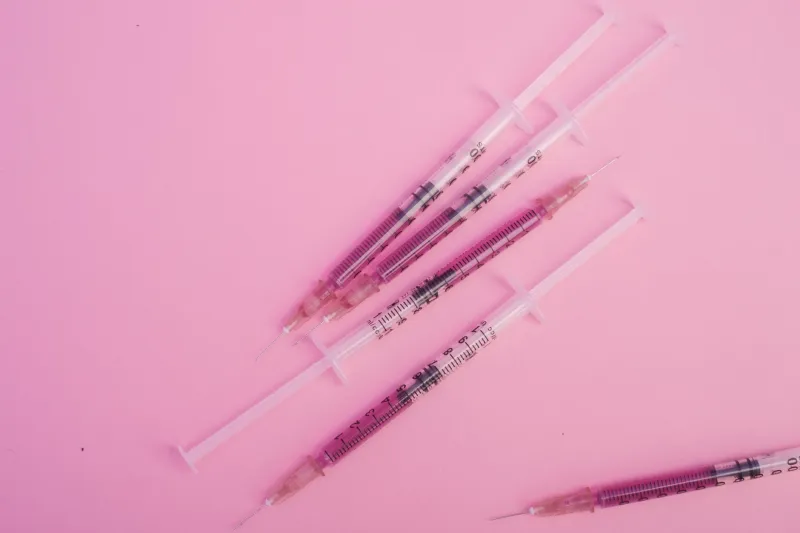
Household cutlery varies widely in capacity, yet liquid medicine doses are written in millilitres for a reason. This guide explains how UK labels define liquid doses, why an oral syringe or dosing cup is the safer choice, and how patients and carers can resolve missing or unclear measuring devices at the pharmacy counter.

Most UK medicine labels advise swallowing tablets with water, but everyday drinks — from breakfast tea to an evening glass of wine — can change how some medicines are absorbed or tolerated. This guide separates well-evidenced interactions from folklore and sets out what is worth raising at the pharmacy counter.

A small inverted triangle on a medicine carton can prompt questions at the pharmacy counter. This guide explains the UK's enhanced surveillance scheme, why some newly licensed medicines carry the symbol, and how patients can report suspected side effects through the Yellow Card system.
The patient information leaflet is often unfolded only after a medicine has been taken, if at all. This 2026 guide explains how to read it selectively and confidently, which sections deserve attention first, and when a conversation with a pharmacist is the better next step.

Excipients are the ingredients in a medicine other than the active drug, and while most patients never notice them, they can matter for people with allergies, dietary needs or religious concerns. This guide explains how to read the patient information leaflet, when an excipient is worth raising with a pharmacist, and how to discuss alternatives without treating every additive as a hazard.

The Yellow Card scheme turns individual experiences of suspected side effects into data that UK regulators can examine. This guide explains who can report, what makes a report useful, and how patient reports sit alongside clinical evidence in drug-safety monitoring.
Most UK homes contain some unused or expired medicines, often kept for reasons that made sense at the time. This narrative guide follows the journey from bathroom cupboard to pharmacy disposal and sets out a realistic routine for keeping that drawer under control.

NHS prescription charges in England are simple in principle and surprisingly easy to misread in practice. This guide explains who pays, who is exempt, how regional differences work, and why a prepayment certificate can be a sensible safeguard against unnecessary cost.

Most homes hold a small, unglamorous pharmacy of half-used packs and forgotten bottles. This guide explains how to review it in about ten minutes — checking expiry dates, spotting hidden paracetamol, correcting storage and returning unwanted medicines to a pharmacy — without turning a routine tidy-up into a source of anxiety.

The words 'natural', 'traditional' and 'clinically proven' carry no single legal definition on a UK supplement label, and the rules that do apply are spread across several different regulators. Here is how the system works, where the genuine risks sit, and a short set of questions to ask before you buy.
Long side-effect lists in UK patient information leaflets can raise anxiety and, in some people, trigger symptoms through the nocebo effect. This explainer separates nocebo from genuine adverse reactions and offers practical ways to discuss concerns without stopping prescribed medicines abruptly.